Why Brand Still Wins in B2B
I felt compelled to write this after reading a recent post from Gustaf Wick . It triggered something that forced me to hit the keyboard with vigour and purpose.
First however, a warning: Unpopular statement alert:
“We've let marketing become.... boring”.
I'm not sure exactly when it happened. Maybe it was around the third time someone asked me to justify brand spend with a ROAS calculation. Or when "always-on optimisation" became code for "we've stopped trying anything interesting." But somewhere along the way, we stopped building brands and started managing spreadsheets.
I get it. Budgets are tight. CFOs want proof. But we've overcorrected so hard that we're now optimising campaigns to behaviours we ourselves would never perform. When's the last time any of us clicked a banner ad? Right. Go on, admit it, when? And if you did it was by mistake!
The B2B Brand Myth
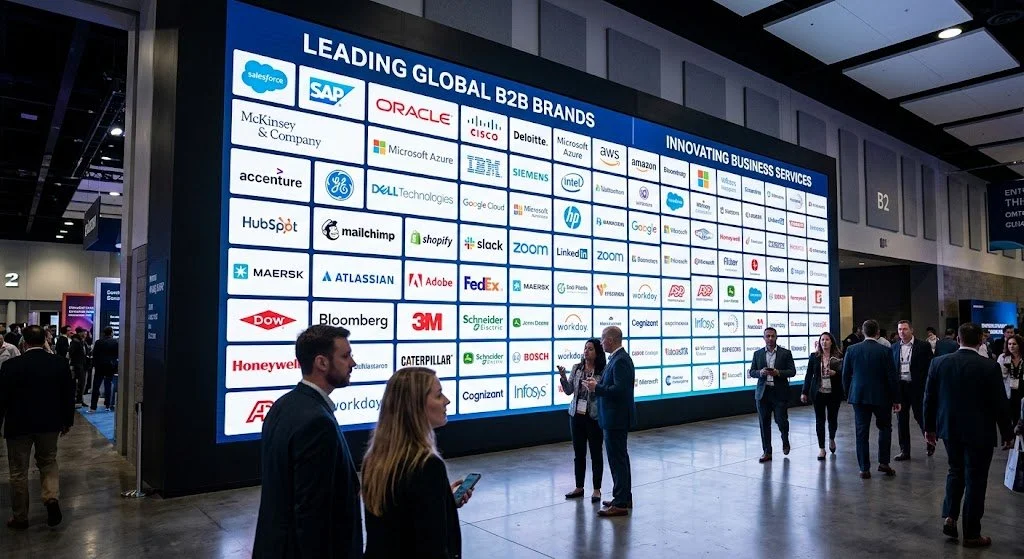
Anyone like me who’s been in B2B marketing for like ever will have probably heard this a thousand times: "B2B isn't about brand, it's about features and ROI."
Except that's not true and we all know it.
Nobody checks their emotions at the office door. If anything, B2B decisions carry more emotional weight because the stakes are higher. A bad consumer purchase means you're out fifty dollars and maybe in the bad books for a day or so. A bad enterprise software decision can sink your quarter and your career.
When someone's choosing between vendors, they're not just comparing feature lists. They're managing risk. They're thinking about what happens if it goes wrong. They're wondering which choice will make them look smart in six months.
That's not rational, that's deeply emotional.
Brand doesn't just sit on top of that decision. It is that decision. It's the reason you go with the familiar name when everything else looks similar. It's confidence you didn't have to earn through a 47-page RFP.
When the Dashboard Became the Strategy
Metrics are useful. I track them. I care about CAC, CPC and conversion rates and all the rest. But we've gone from using metrics as tools to worshipping them as truth.
The problem with performance marketing isn't that it doesn't work, it's that it only shows you what happened yesterday or last week. Brand builds slowly. It compounds. You can't see it move in real-time, which makes it terrifying to finance teams and irresistible to cut when things get tight.
Warren Buffett called brand fame "a gusher of cash, cascading down the generations." Not a quarter. Not a campaign. Generations. That's not fluffy marketing speak, that's infrastructure.
The AI Problem Nobody's Talking About
Every company now has access to the same AI tools, the same content generators, the same optimisation engines. Everyone can produce technically correct, SEO-friendly, conversion-optimised content at scale.
Which means everyone's going to sound the same.
The only defence against commoditisation is distinctiveness. And distinctiveness doesn't come from better prompts, it comes from having something worth saying and a voice worth listening to.
AI can generate correctness. It can't generate meaning. And meaning is what people remember.
What Actually Matters
B2B buyers don't follow linear funnels. They meander. They forget about you for six months, then suddenly remember you existed because someone mentioned your name in a Slack or at a vendor conference (another ROI nightmare for marketing teams!) . They make decisions based on half-remembered impressions and gut feelings they'd struggle to articulate in a survey.
This drives data people mad, but it's how humans work.
The brands that win aren't necessarily the ones with the best product (though that helps). They're the ones that stuck in someone's head when it mattered. The ones that felt safe, familiar, right.
You can't A/B test your way to that.
The People Problem in Marketing
Here’s my second uncomfortable and potentially contentious point - marketing departments have been slowly taken over by the wrong personality types.
Not wrong as in bad people, wrong as in fundamentally mismatched to what marketing actually requires.
If you know your DISC or Insights colours, you'll recognise this immediately. Marketing used to attract Red and Yellow types, the influencers, the creatives, the people who got into this industry because they loved ideas and persuasion and making people feel something. These are the folks who got excited about campaigns, not campaign performance dashboards.
But over the past decade, as marketing became "scientific," we started hiring Green and Blue types. Analytical minds. Process people. The kind of personalities that thrive on systems, data integrity, and repeatable frameworks.
Nothing wrong with that in finance or operations. But in marketing? We've ended up with departments full of people who are temperamentally uncomfortable with the very ambiguity that makes marketing work.
They didn't get into this to make people feel things. They got into it because "marketing technology" sounded like a career with job security and clear KPIs.
And now we're surprised that our marketing feels flat. Endless sameness, corporate blue seeping through our very pores!
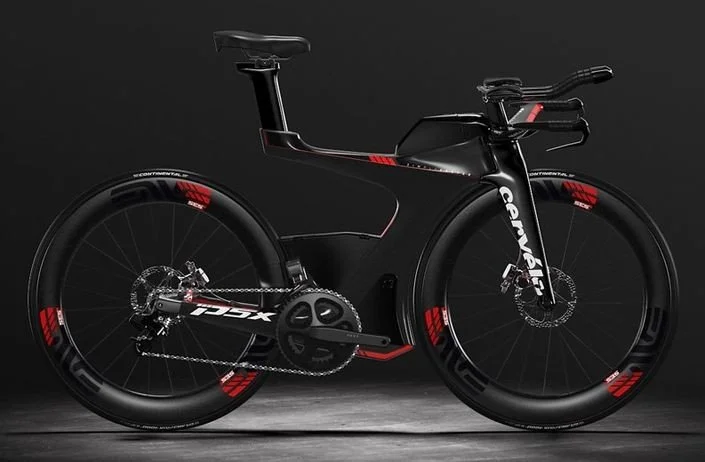
A rational decision if ever there was one!
The art and the science. You need creativity to make people care and analytics to know if it's working.
But we've tipped so far toward the analytical that we've forgotten something crucial: we're not trying to predict machines. We're trying to influence humans.
And humans are wonderfully, frustratingly, commercially valuable in their unpredictability.
You can herd them with FOMO. You can nudge them with social proof. You can retarget them until they see your ad in their dreams. But you cannot fully systematise human behaviour, because the thing that makes us human, the thing that separates us from the algorithms is that we're gloriously irrational.
We buy things that don't make sense on a spreadsheet. We choose brands because of a half-remembered feeling. We make decisions based on gut instinct and then reverse-engineer the logic afterwards to justify it to ourselves. ($15k on a carbon road bike anyone!)
This drives analytical types mad. But it's also where all the opportunity lives.
Getting Back to Marketing
The future belongs to marketing teams that can hold both truths at once: that data matters, and that humans are more than the sum of their clickstream.
We need to stop pretending we're data scientists who occasionally make ads. Data's useful. Dashboards are fine. But our actual job, the thing we're supposed to be good at is making people care about things they'd otherwise ignore.
That means taking risks. Being interesting. Having a point of view. Creating work that people might actually remember past next Tuesday.
It means hiring and protecting the Red and Yellow types again, OK, I admit it, I’m Red!) the ones who'll fight for a creative idea even when the testing says to play it safe.
Because in the end, whether you're selling cloud infrastructure or van leases, the same thing applies: brand is why someone picks you when everyone's specs look roughly the same.
The companies that remember this will have an unfair advantage. The ones that don't will keep wondering why their perfectly optimised campaigns aren't moving the needle.